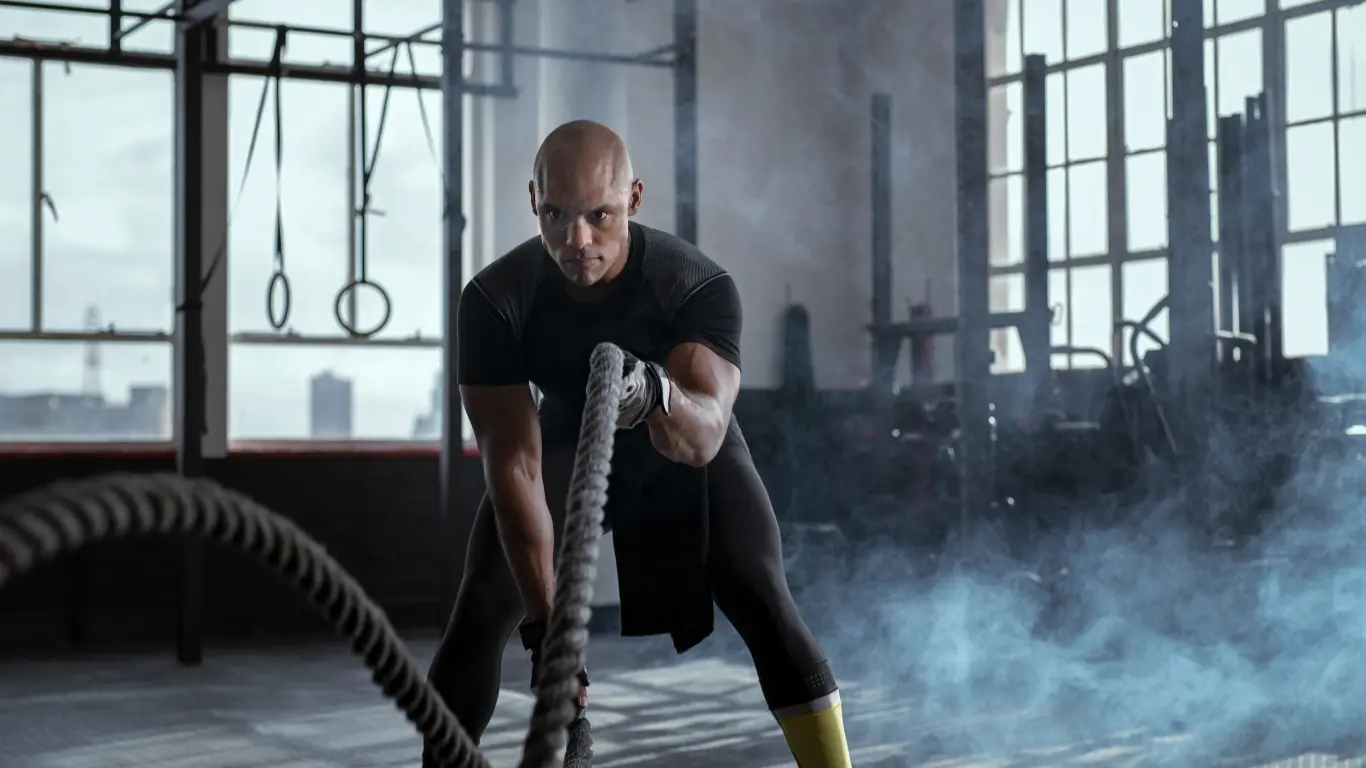
When most people think about starting a fitness journey, they picture hours of cardio on treadmills, running, jogging, or cycling. While cardio has its benefits, the secret to long-term fitness, fat loss, and overall strength lies in resistance training.
As a 3-time Nigerian National Champion, African record holder, and the first African medalist in bobsled and skeleton, I know firsthand the power of building strength through resistance. From sprinting on the track to pushing through icy bobsled runs, resistance training has been the foundation of my performance.
And here’s the good news: resistance training isn’t just for athletes. Beginners of all ages and fitness levels can benefit from starting the right way.
This article will guide you through everything you need to know about resistance training for beginners: what it is, why it matters, and how to start safely while building lasting strength.
What Is Resistance Training?
Resistance training is any exercise that causes your muscles to contract against a force. It is also called strength training or weight training. That force can be:
- Free weights (dumbbells, barbells, kettlebells)
- Machines (cable systems, weight stacks)
- Resistance bands
- Your own bodyweight (push-ups, squats, planks)
The goal is simple: challenge your muscles to adapt by growing stronger and more resilient.

Why Should Beginners Start Resistance Training?
1. Build Lean Muscle and Burn Fat
Muscle isn’t just about looks; it’s your body’s fat-burning engine. The more lean muscle you build, the more calories burn at rest.
2. Improve Strength & Confidence
Improve strength lifting a bag of shopping, climbing stairs, or carrying your kids. Daily tasks become easier when you’re stronger. Strength builds confidence in and out of the gym.
3. Protect Bones and Joints
Resistance training strengthens bones and joints, reducing the risk of osteoporosis and injuries—especially important as we age.
4. Boost Performance
Even when you’re not an athlete, moving with more power and control improves your overall quality of life.
5. Mental Resilience
Strength training teaches discipline, consistency, and the ability to push past limits; the same mindset that helps athletes win championships isn’t just physical.
How to Start Resistance Training Safely
Starting something new can be intimidating, but safety is the key and the best way to do it right:
1. Start with Bodyweight Basics
Before grabbing weights, master foundational movements with your bodyweight, including Squats, Push-ups, Planks, and Glute bridges, to teach proper form, balance, and control.
2. Focus on Technique First
Don’t rush to lift heavy. The correct form matters more than weight. Poor technique increases injury risk and stalls progress. Sign up to work with a trainer (like Sekynorth Fitness) or use mirrors/videos to check alignment.
3. Use Progressive Overload
Strength comes from gradually increasing resistance over time, and it’s good to start light, then slowly add more weight, reps/sets, shorter rest times, and more complex variations of the same movement.
4. Balance Muscle Groups
Avoid overtraining the chest and arms. A good program trains Upper body push (chest, shoulders, triceps), Upper body pull (back, biceps), Lower body (quads, hamstrings, glutes, calves ), Core (abs, obliques, lower back)
5. Warm Up & Cool Down
A 5–10 minute dynamic warm-up reduces injury risk and prepares your body. Finish with stretching to maintain mobility and flexibility.
6. Rest & Recovery Matter
Muscles grow when you rest, not when you train. As beginners, start with 2–3 sessions per week, allowing at least one rest day between.
Beginner-Friendly Resistance Training Routine
Here’s a sample full-body beginner plan you can do 2–3 times per week:
Warm-Up (5–7 minutes):
- Jumping jacks
- Arm circles
- Bodyweight squats
- Hip circles
Workout (2–3 sets each, rest 60 sec between sets):
- Squats (bodyweight or dumbbells) – 12 reps
- Push-Ups (on knees or full) – 8–12 reps
- Bent-Over Rows (with dumbbells or resistance bands) – 12 reps
- Glute Bridges – 15 reps
- Plank Hold – 20–30 seconds
Cool Down (5 minutes):
- Stretch quads, hamstrings, chest, and shoulders
- Deep breathing exercises
This balanced workout targets all major muscle groups while building a strong foundation.
Common Beginner Mistakes to Avoid

- Lifting heavy too soon leads to poor form and injuries.
- Skipping warm-ups and cooldowns → Increases risk of strains.
- Neglecting nutrition → Fuel matters; without enough protein and calories, progress slows.
- Comparing to others → Your journey is unique; focus on your growth, not someone else’s.
- Inconsistency → Sporadic training won’t bring results. Stay consistent, even with short sessions.
Fueling Your Strength Journey
Nutrition plays a vital role in the success of resistance training. As a Beginner, focus on:
- Protein (chicken, fish, eggs, beans, plant-based options) to repair muscles.
- Carbs (rice, potatoes, oats, and fruits) to fuel workouts.
- Healthy fats (avocado, nuts, olive oil) for recovery and hormones.
- Hydration—aim for 2–3 liters daily.
At Sekynorth Fitness, I combine resistance training with nutritional guidance, so you know exactly how to fuel your body for results.
Athlete Mindset: Training Like a Champion

As someone who’s competed on both the track and the icy bobsled run, I can tell you that resistance training is more than just building muscle. It’s about building resilience.
Every rep you complete, every weight lift, and every workout you finish is a step toward becoming stronger—not just physically, but mentally. Champions are not made in one session; they’re built through consistent effort, discipline, and determination.
No need to be an elite athlete to adopt this mindset. You just need to show up, stay committed, and trust the process.
Final Thoughts: Begin Your Strength Journey Today
Resistance training is one of the most powerful tools for strength transformation, and as a beginner, it’s not about lifting the heaviest weights; it’s about learning proper form, building confidence, and progressing safely.
It’s good to start simple, focus on technique, progress gradually, fuel your body with proper nutrition, and stay consistent.
Sekynorth Fitness brings the same training principles that shaped my career as a national athlete into programs designed for people just like you. Whether your goal is fat loss, muscle gain, or all-around strength, I’ll guide you every step of the way.
👉 Ready to start your strength journey? Sign up with Sekynorth Fitness today and train like a champion.