
Staying consistent with a fitness journey is exciting on the first day or week, maybe even the first month—new workout clothes, new plan, new energy. But then life gets loud. Work runs late. Kids need you. Your body is sore. Motivation fades.
The truth most people don’t tell you: even champions don’t feel motivated every day. As a national athlete, African record holder, and 3-time Nigerian champion in bobsled/skeleton, I (Sekinat) didn’t win because I was always hyped — I won because I was consistent. Discipline finished what motivation started.
So if you’ve ever thought, “What’s wrong with me? Why can’t I stay consistent?” — Nothing is wrong with you. You just need a better system for staying motivated, especially on the hard days.
Let’s break it down.
1. Know Your Real “Why”

Motivation driven by “I want abs” won’t last. Motivation that comes from “I want to be healthy enough to play with my kids,” “I don’t want to be out of breath,” or “I want to feel strong in my own body”—that lasts.
Write these thoughts down:
- What do I really want from fitness?
- How will my life improve if I stay consistent?
- Who else benefits when I show up for myself?
Put that on your phone, in the mirror, or in your gym bag. On low-energy days, your “why” is the thing that pulls you in when motivation won’t.
2. Stop Waiting to “Feel Like It”
It’s the #1 mindset shift I teach at Sekynorth Fitness: motivation follows action, not the other way around.
Most people think:
“I’ll work out when I feel motivated.”
But athletes think:
“I’ll start, and the motivation will come once I’m moving.”
So on those “I’m tired” days, tell yourself:
👉🏽 “I don’t have to do the whole workout; I just have to start.”
Do 5 minutes. Do the warm-up. Do a walk. Once you’re in motion, you’ll usually finish.
3. Make the Plan Smaller (But Non-Negotiable)
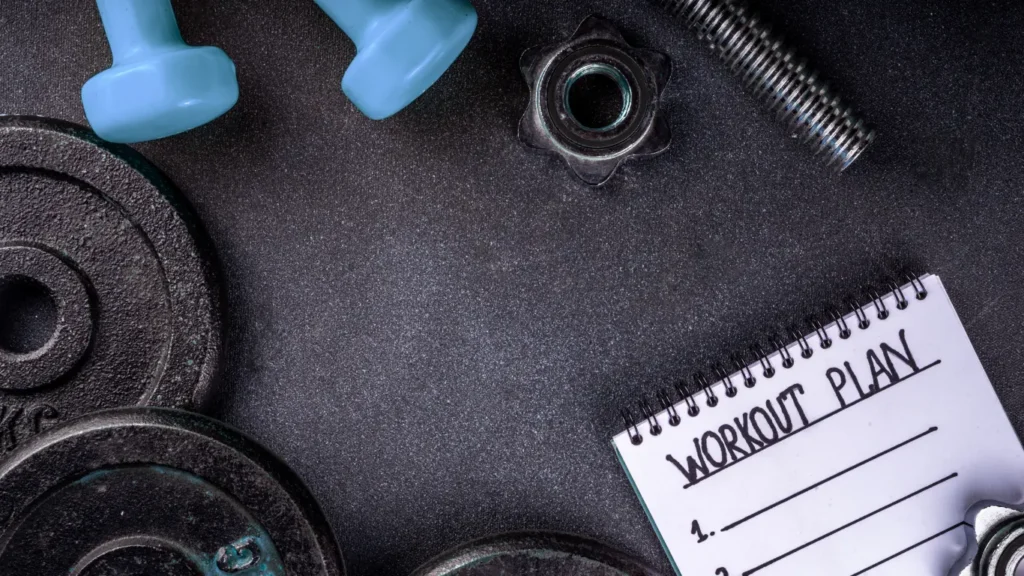
People quit because they make the plan too big.
- “I’ll train 6 days a week.”
- “I’ll only eat clean.”
- “I’ll wake up at 5 AM.”
That’s not motivation—that’s fantasy.
Instead, make a minimum standard:
- Move at least 20–30 minutes a day.
- Get 8,000–10,000 steps.
- Eat one high-protein meal.
- Drink 2–3 liters of water.
If you hit your minimums, you win the day. Winning one day makes it easier to win the week. (This lines up with what public health organizations recommend for adults: consistent moderate activity over time, not perfection in one day. See CDC.
4. Train Like an Athlete, Not Like a Punishment
Many people subconsciously see fitness as punishment:
“I ate badly → I must work out.”
That mindset burns out fast.
Athletes train for performance, not punishment.
Try this instead:
- “I’m training to be stronger.”
- “I’m training to move faster.”
- “I’m training to protect my joints.”
- “I’m training to look like I train.”
When you set performance goals (push-ups, squats, deadlift PR, sprint time, flexibility), workouts become something you want to improve at and not something you have to do.
5. Use Progress Tracking (So You Can SEE Results)

Nothing kills motivation like working hard and feeling like nothing is happening.
Good to track:
- Measurements
- Before/after photos
- Weights lifted
- Sessions completed
- How you feel (energy, sleep, confidence)
Progress is not just the scale. If you went from 5 push-ups to 10, that’s progress. If you’re lifting more than last month, that’s progress; if you’re less winded on stairs, that’s progress.
When you can see proof that your work matters, you stay motivated.
6. Plan for Low-Motivation Days in Advance
Motivation is like the weather — it changes. So don’t build a fitness plan that only works on sunny days.
Have a “tough day workout” ready as a shorter version of your routine for when you’re tired, stressed, traveling, or just not feeling it.
Example Tough-Day Plan:
- 5 minutes of mobility
- 3 rounds: 15 squats, 12 push-ups (incline if needed), 20 seconds of plank
- Stretch
After 15–20 minutes, the workout is complete. You keep the habit alive.
7. Control Your Environment
Motivation isn’t just willpower. It’s also what’s around you.
- Lay out your workout clothes the night before.
- Keep your dumbbells or resistance bands where you can see them.
- Save your workouts in your phone.
- Follow fitness pages that inspire you (not shame you).
- Tell a friend you’re training.
Your environment should make healthy choices easy.
8. Get Accountability (Champions Don’t Train Alone)

Here’s something people don’t realize: even elite athletes have coaches. Not because they don’t know what to do — but because accountability makes you consistent.
Ways to get accountability:
- Train with a coach (in person or virtual).
- Join a program (like Sekynorth Fitness program).
- Train with a partner.
- Check in weekly with someone.
When someone is expecting you to show up, you’re far more likely to follow through. (APA also notes that social support and structure make exercise adherence easier.)
9. Respect Recovery
Sometimes the problem isn’t motivation — it’s fatigue.
If you’re never resting, never sleeping, under-eating, and overtraining, of course, you won’t feel like working out. That’s not laziness, that’s your body asking for recovery.
- Sleep 7–9 hours.
- Take 1–2 rest days per week.
- Do mobility and active recovery.
- Eat enough protein and carbs to fuel workouts.
Motivation improves when your body feels good.
10. Celebrate the Small Wins

Most people only celebrate big goals: “I lost 20 lbs.”
Athletes celebrate marginal gains: “I improved 0.1 seconds,” “My form got better,” “I lifted 5 lbs more.”
Do the same.
- Finished a workout even when tired? ✅
- Drank your water? ✅
- Choose protein instead of junk? ✅
- Did you show up at the gym on training days? ✅
Motivation grows when your brain thinks, “I’m someone who follows through.”
11. Remember: Motivation Comes in Waves—Discipline Stays
Some days you’ll feel like a machine. Some days you won’t. That doesn’t make you weak — it makes you human.
On the low days, borrow the athlete mindset:
“I don’t have to be perfect — I just have to be consistent.”
That’s how I trained for track. That’s how I trained for bobsled. That’s how I set African records, not with hype but with habits.
If you’re reading this, it means you care about your health and strength, and that already puts you ahead of most people.
So here’s your game plan:
- Clarify your why.
- Make the plan realistic.
- Track your progress.
- Get accountability.
- Keep showing up, especially on the hard days.
And if you want structure, support, and athlete-level coaching, that’s precisely what our fitness program builds for. We don’t just tell you to be motivated; we give you a system to stay motivated.
👉 Ready to stay consistent for real? Let’s build your customized plan.