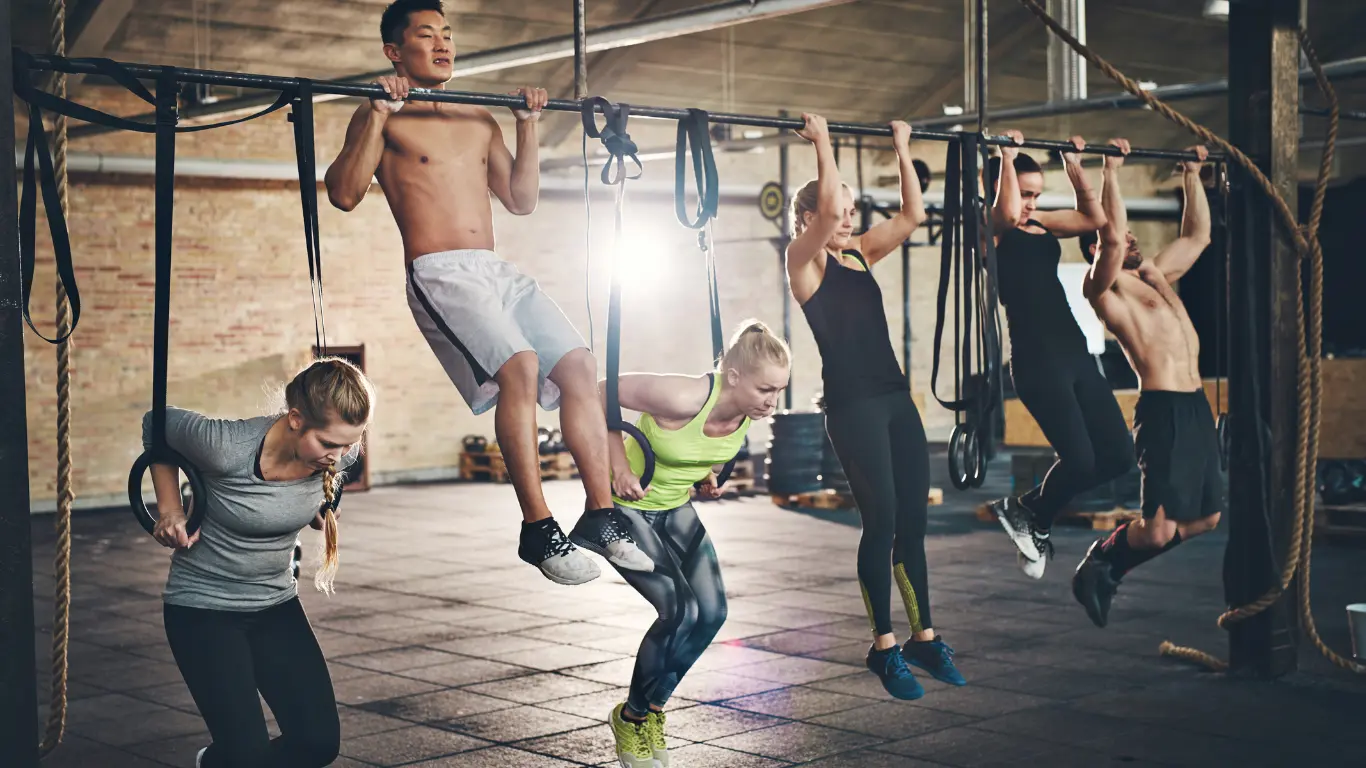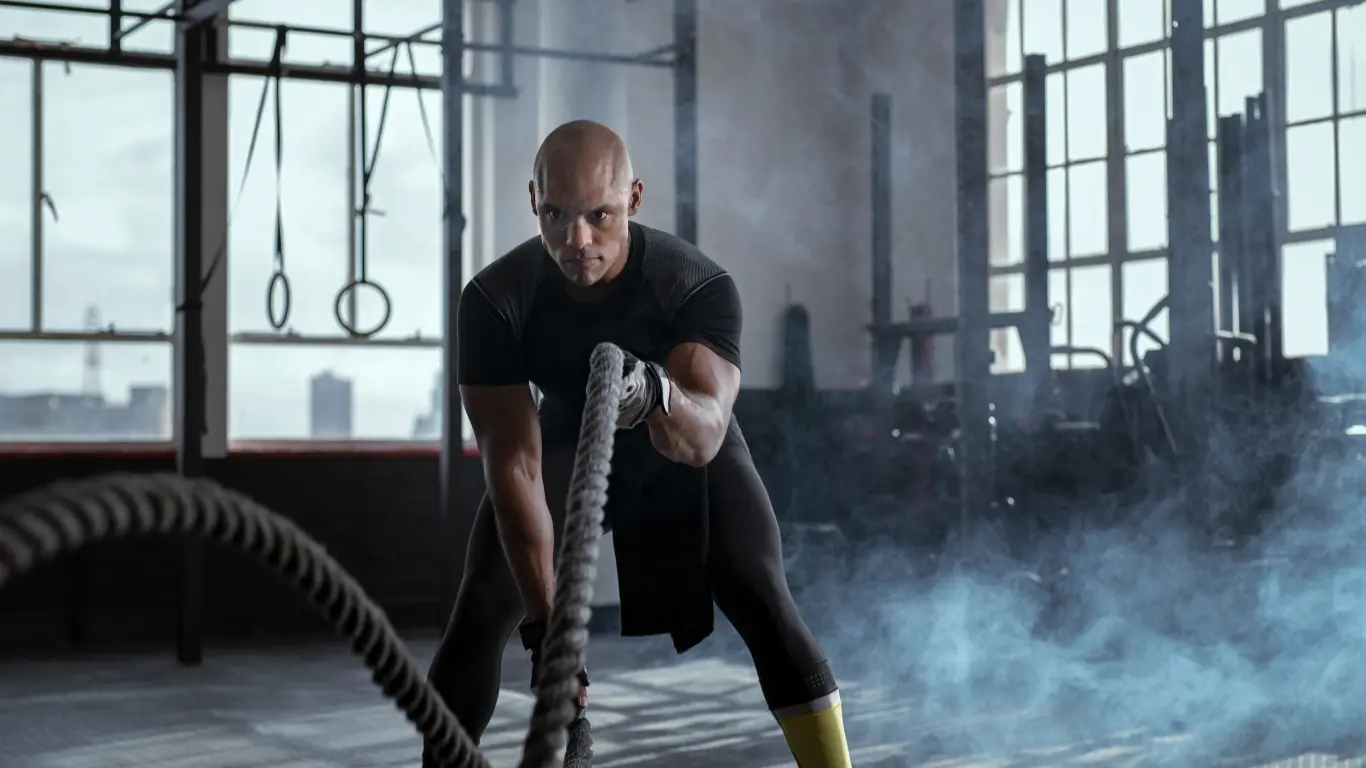
When you watch elite athletes sprint, jump, or lift, it looks effortless, like their bodies are built for greatness. But behind that explosive power lies years of precise training, discipline, and strategy.
Speed, strength, and power aren’t just for professional athletes. They’re the foundation of every fit, resilient, high-performing body. Whether you’re training for sports, fat loss, or general fitness, learning the training secrets of elite athletes can transform how you move, perform, and feel.
As a 3-time Nigerian National Champion, African Record Holder, and the first African Medalist in bobsled and skeleton. My entire career has revolved around maximizing speed, strength, and power, and now, through Sekynorth Fitness Program, I help others build the same foundation of athletic excellence.
Let’s dive into how the pros train—and how you can apply their methods to your fitness journey.
1. The Foundation: Strength Before Speed
Speed and power start with strength. You can’t sprint faster, jump higher, or push harder if your body isn’t strong enough to handle the load.
Elite athletes spend months— even years—focusing on foundational strength training before moving on to explosive drills.
Key Strength Principles:
- Compound movements first: Squats, deadlifts, lunges, presses, and pulls build total-body strength.
- Train major muscle groups together: Strength comes from coordination, not isolation.
- Progressive overload: Gradually increase resistance over time to challenge your muscles and nervous system.
Even if you’re not a professional athlete, incorporating strength days 2-3 times per week can dramatically improve your speed, stability, and body composition.
2. Power = Strength + Speed
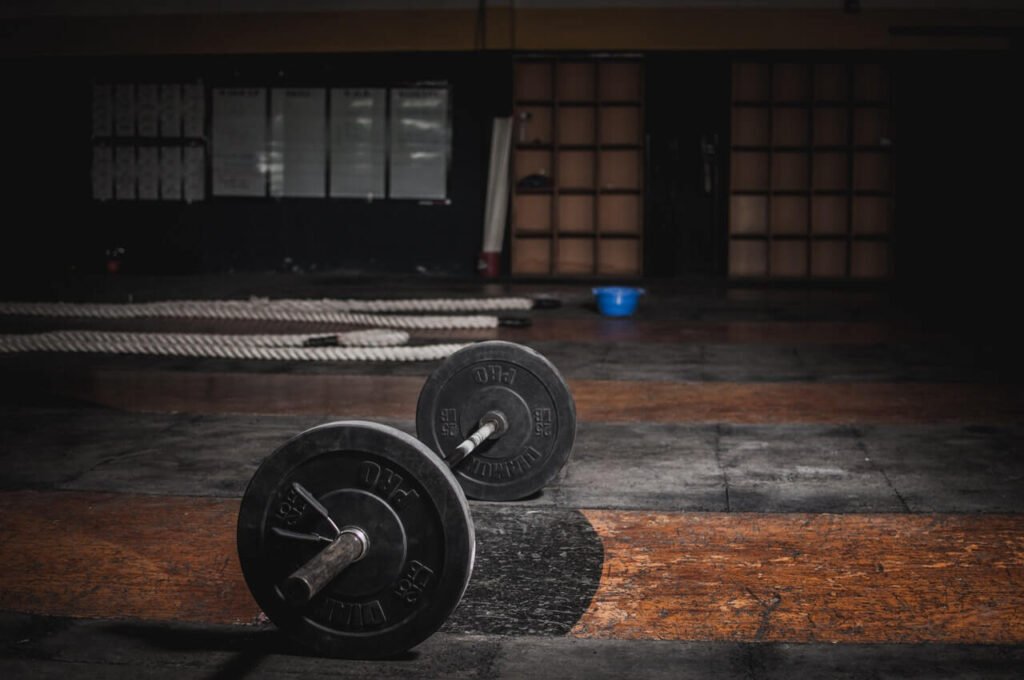
Power is the ability to apply force quickly. Think of it as strength in motion.
When I trained for bobsled and track, the goal wasn’t just to be strong — it was to be explosive. That meant turning heavy squats into power cleans, long sprints into short bursts, and static holds into dynamic movements.
Power Training Essentials:
- Olympic-style lifts: Power cleans, snatches, and push presses (performed under professional guidance).
- Plyometrics: Jump squats, box jumps, and medicine ball slams.
- Short sprints: 20- to 60-meter sprints that build acceleration and fast-twitch fiber activation.
Power training improves coordination between your brain and muscles, making every movement more efficient.
3. Speed: Training the Nervous System

Speed isn’t just about moving your legs faster; it’s about improving your neuromuscular efficiency.
Elite sprinters don’t train at 100% intensity every day. They train smart, combining high-intensity bursts with active recovery to allow the nervous system to recharge.
Speed Training Tips:
- Warm up with mobility and activation drills: Your hips, glutes, and core must fire properly for explosive movement.
- Drill technique: Perfect your form before adding speed, posture and stride efficiency matter.
- Interval sprints: Alternate between high-speed bursts and controlled recovery runs.
- Consistency > exhaustion: Speed work is high-quality, not high-volume.
To move like an athlete, train for precision, not punishment.
4. Core Power: The Hidden Engine
Every elite athlete knows: a strong core isn’t about abs, it’s about power transfer.
Your core connects your upper and lower body. It stabilizes your spine, enhances balance, and allows you to move with control and force.
Core-Building Drills:
- Plank variations (front, side, and shoulder taps).
- Medicine ball rotations for explosive torque.
- Dead bugs and bird dogs for core stability.
- Pallof presses for anti-rotation control.
Strong core means faster sprints, safer lifts, and fewer injuries.
5. Mobility: The Secret to Longevity
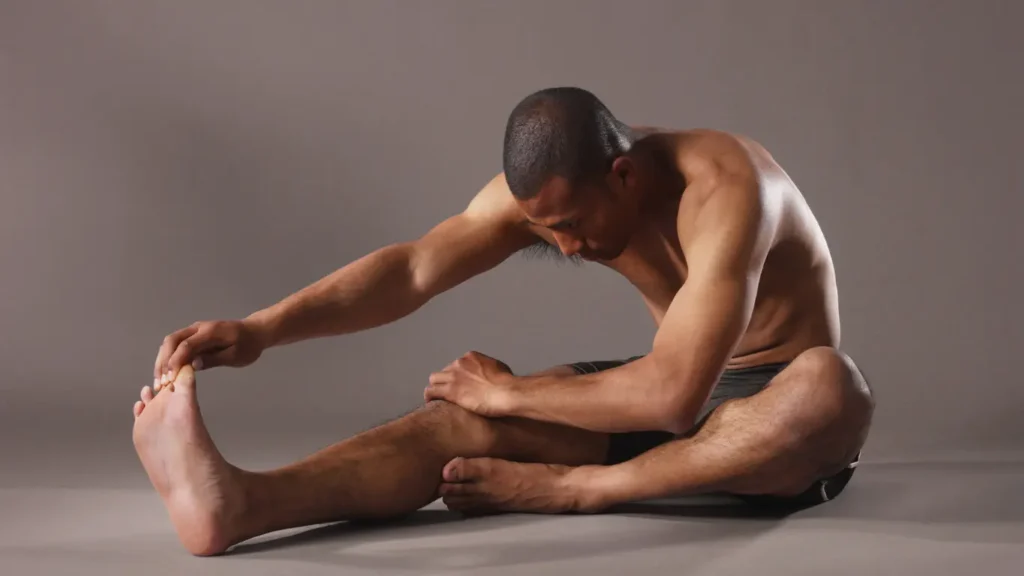
Speed and strength mean nothing if you can’t move freely. Elite athletes prioritize mobility as much as lifting. Tight hips, shoulders, and hamstrings restrict range of motion and limit both power and safety.
Mobility Must-Dos:
- Dynamic stretching before workouts (leg swings, hip openers, arm circles).
- Foam rolling to release muscle tension.
- Static stretching after sessions to restore length and flexibility.
Mobility training keeps your joints healthy, your muscles responsive, and your form efficient.
6. The Athlete’s Mindset: Train with Purpose
Every elite athlete has one thing in common — an unshakable mindset.
Motivation comes and goes, but discipline and purpose stay. The best performers in the world train not because it’s easy, but because they understand the value of showing up.
Adopt the Champion Mindset:
- Set measurable goals: Instead of “get fit,” aim for ” 10 pull-ups” or “sprint 100m under 15 seconds.”
- Track everything: Keep notes of workouts, nutrition, and recovery. Progress builds confidence.
- Respect rest: Recovery is part of training — not a break from it.
- Embrace discomfort: Growth happens at the edge of your comfort zone.
At Sekynorth Fitness, I teach every client the same mental approach that built my athletic career: consistency beats intensity, every time.
7. Nutrition: The Fuel for Performance

You can’t train like an athlete and eat like a spectator. Nutrition is the fuel that powers your workouts, recovery, and results.
Core Nutrition Principles for Speed, Strength & Power:
- Protein: Rebuilds and repairs muscle. Aim for a serving with every meal.
- Complex carbs: Supply steady energy for training and performance.
- Healthy fats: Support joint health and hormone balance.
- Hydration: Even 2% dehydration can affect performance.
At Sekynorth Fitness, nutrition isn’t about restriction — it’s about fueling your body like a champion.
8. Recovery: Where Growth Happens
Elite athletes don’t get stronger in the gym — they get stronger when they recover.
Recovery allows your muscles, joints, and nervous system to adapt. Ignoring it leads to fatigue, poor performance, and injury.
Recovery Essentials:
- Sleep: 7–9 hours per night for optimal repair.
- Active recovery: Light walks, yoga, or swimming between hard sessions.
- Massage & mobility work: Relieves soreness and improves circulation.
- Rest days: A sign of smart training, not weakness.
Train hard. Rest harder.
9. Common Mistakes to Avoid
Even with the best intentions, most people make these mistakes:
🚫 Training too hard, too soon: Power takes time — build the base first.
🚫 Skipping form and technique: Strength without control leads to injury.
🚫 Ignoring nutrition: Your diet determines your performance ceiling.
🚫 Neglecting sleep: No recovery, no results.
🚫 Comparing yourself to others: Focus on your own progress curve.
Remember: athletes train for years to master the basics. You’re not behind — you’re building your foundation.
10. Applying These Principles to Your Training
You don’t need an Olympic facility or fancy equipment to train like an athlete. You need a structured plan that focuses on:
- Strength Training – 2–3 times per week.
- Power Work – Plyometrics and sprints 1–2 times per week.
- Mobility & Core – Daily or after each session.
- Recovery & Nutrition – Ongoing support for growth.
At Sekynorth Fitness, we blend these elements into personalized programs that meet you where you are, whether you’re a beginner or an experienced athlete. Every workout is customized to your level, goals, and environment (home or gym).
Conclusions
Speed, strength, and power aren’t exclusive to professional athletes — they’re human capabilities you can build at any stage of life.
Train with purpose. Focus on form. Fuel properly. Rest strategically.
And most importantly — believe in your potential.
As someone who’s represented Africa on both track and ice, I’ve learned that athletic performance isn’t about talent; it’s about persistence, mindset, and a good program.
So, if you’re ready to train like a champion, Sekynorth Fitness is here to guide you every step of the way from your first squat to your fastest sprint.
👉 Start your customized strength & power program today and unleash the athlete within.